


Designing Your Website for Users, Not Internal Company Priorities
4 min read
This is part 1 of our series Designing From the Outside In: User-Centered Website Strategy.
Most websites are built with good intentions.
They just start from the wrong place.
They start with what the company wants to say, what it wants to promote, and what it wants to be seen as. A new launch. A recent event. A strategic shift. A leadership message. A partnership announcement. All valid. All important. All internal.
The problem is that users do not arrive thinking about your internal priorities. They arrive thinking about themselves.
User-centered website design flips the starting point. Instead of asking “what do we need on the site,” it asks “what does this person need when they get here.”
That distinction sounds subtle. It is not.
When companies design from internal preferences, the homepage fills up fast. Marketing needs visibility. Communications needs storytelling. Product needs explanation. Sales needs conversion. Leadership needs credibility. Legal needs context. Everyone needs their work represented.
All of this is expected to live within a small number of pixels above the fold.
At the same time, you have only seconds to catch someone’s attention. Users are scanning, not studying. They are deciding whether to stay, not preparing to learn.
Research summarized by Harvard Business Review shows that when people are presented with too much information too early, decision-making slows and abandonment increases. The more effort required upfront, the more likely people are to disengage.
Yet many websites assume the opposite. We assume users will read carefully. We assume they will scroll. We assume they will self-navigate.
That assumption puts the burden in the wrong place.
A useful way to think about this is to Marie Kondo your content. Not everything needs to be thrown away. But everything needs to earn its place. If it does not help the user in that moment, it probably belongs somewhere else.
Listening comes first. Before deciding what to say, you need to understand who is arriving, why they are there, and what they need to do next. That is content strategy, not copywriting.
There is also a simpler metaphor that tends to land.
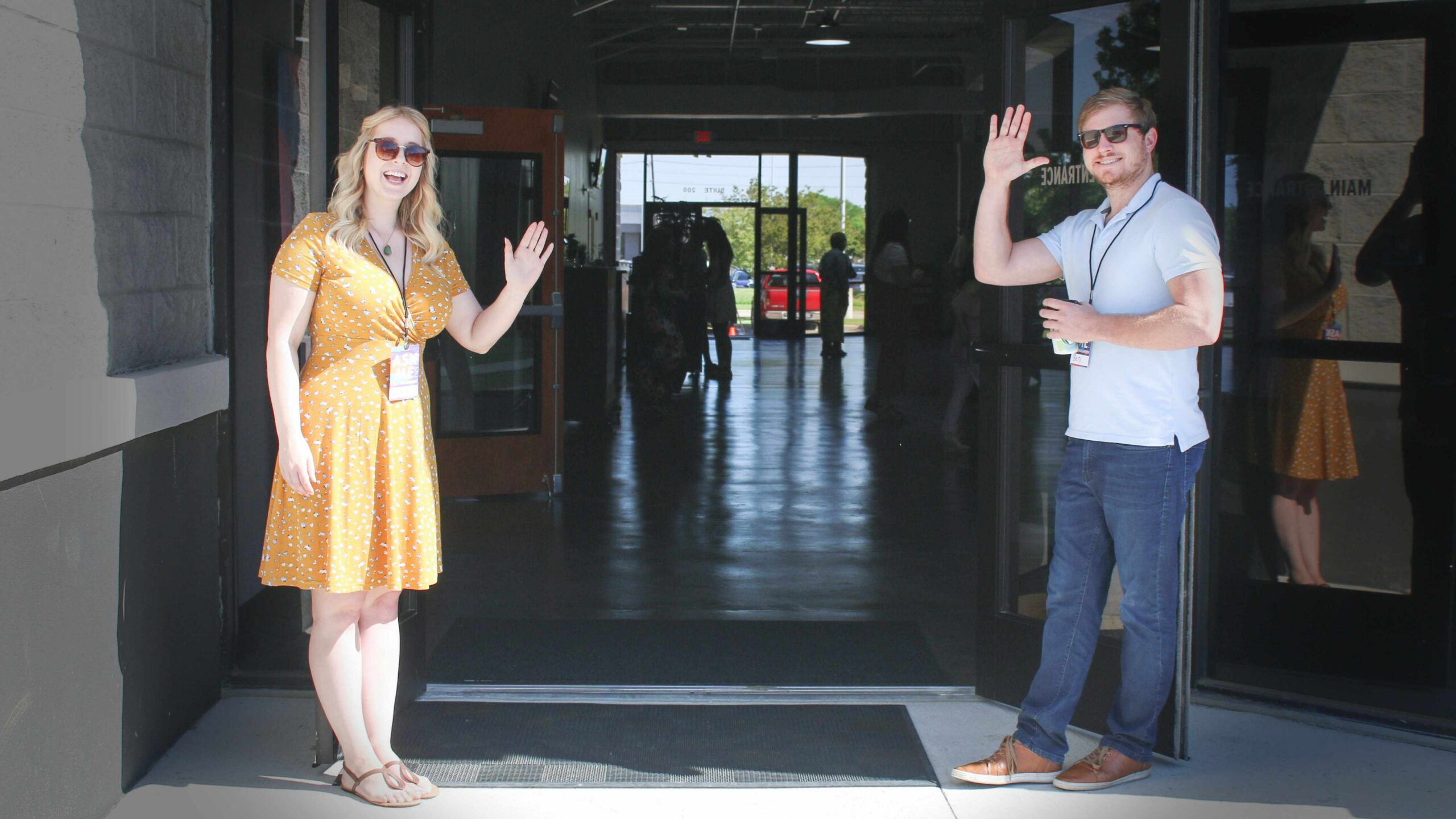
Think of your website like you are hosting a party.
When guests arrive at your door, you do not immediately tell them everything about the house. You do not point out every renovation, every achievement, every interesting detail. You greet them. You help them get oriented. You let them know where to put their coat. You tell them where the food is. You introduce them to the people they came to see.
Only once they feel comfortable do they start exploring.
A homepage should work the same way. Its job is not to explain everything you do. Its job is to help people feel like they belong and know where to go.
This becomes even more important when you serve multiple personas. Different users arrive with different goals and different levels of familiarity. Trying to speak to all of them at once usually results in vague messaging and competing calls to action.
Usability research from Nielsen Norman Group consistently shows that users act more confidently when sites reduce cognitive load and clearly signal relevance early. People do not want to figure things out. They want to recognize themselves.
When you get each persona’s needs right on the landing page, something important happens. Users stop wandering.
They move to the right next step for where they are.
A first time visitor explores instead of hesitating.
A decision maker engages instead of bouncing.
A returning user moves quickly without reorienting.
This is where conversion actually improves. Not because the design is flashier or the copy is cleverer, but because the action makes sense.
A Simple Takeaway – Now What?
If you strip this down, the approach is straightforward.
- 1. Listen first.
- 2. Design for the user, not internal preferences.
- 3. Marie Kondo your content so only what’s needed stays at the front.
- 4. Help each key persona recognize themselves quickly.
- 5. Give them one clear, obvious next step.
Keep it simple is not about saying less. It is about asking less of the user when they arrive.
When your site greets people properly, they do not need to be convinced to stay.
They already know they are in the right place.
Do you need help with the User Acceptance or Q/A for your next project? or you just want to know more?
Schedule a quick FREE 15 or 30-minute chat We are eager to hear how we can help.